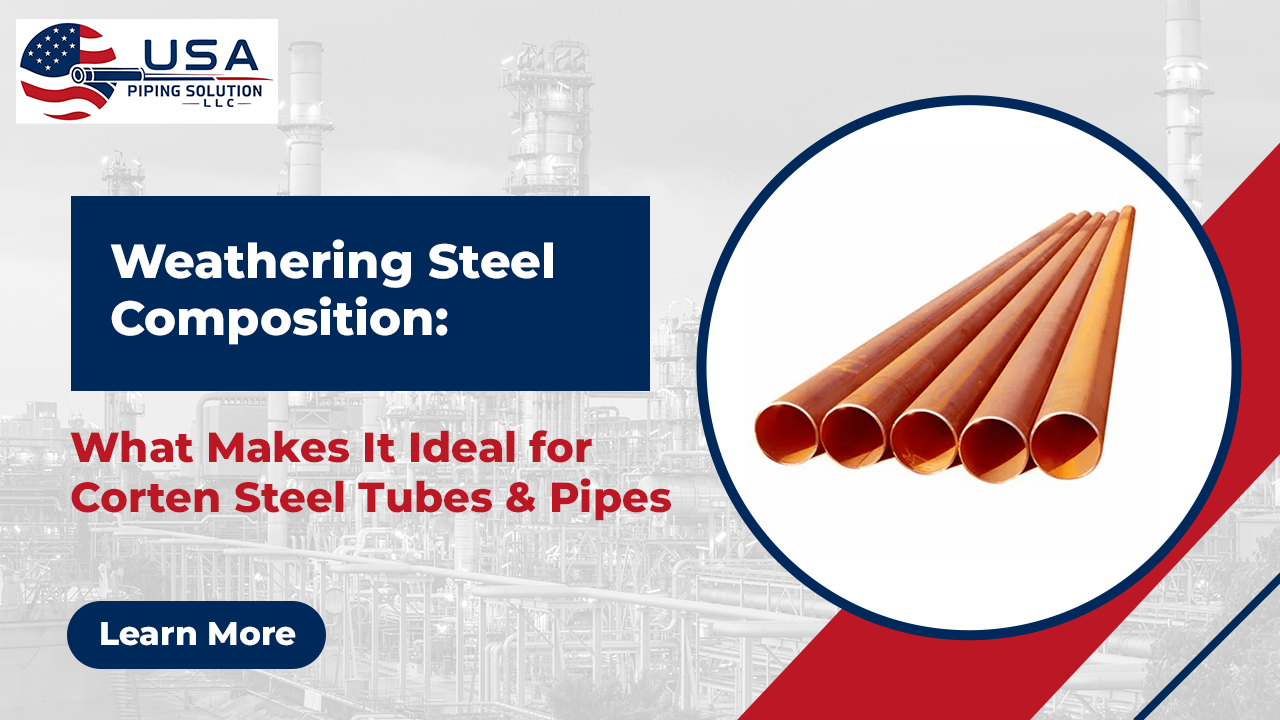
Rust is generally the enemy in the industrial piping and structural engineers world. It consumes structural integrity, requires expensive maintenance and causes premature replacement. But there is one material in which rust is not a flaw--it is the armour. This is weathering steel commonly known by the genericized trade name Corten.
Weathering steel is scientifically engineered to rust to prevent rusting unlike normal carbon steel which corrodes until it collapses. Although this material is discussed by many suppliers referring to big plates or architectural facades, it is necessary to understand better the use of this outstanding chemistry to corten steel pipe and weathering steel tubing taking into consideration the peculiarities of metallurgy and special production requirements.
In the case of USA Piping Solution, we deal specifically in the provision of high quality Corten steel pipes and tubes that are capable of the harsh requirements of the industrial setups. However, what is going on at an atomic level to make these tubes last as long as they last? This report looks into the chemical makeup of weathering steel specifically and why it is the best material to use on structural tubing.
Understanding Weathering Steel Composition: The Chemical Breakdown
Weathering steel is a High-Strength Low-Alloy (HSLA) steel. The latter concept is referred to as low-alloy; it indicates that minimal quantities of alloying components (usually less than 2-3% of the whole) are involved.
weight- additives that are added to carbon steel to radically change its characteristics. It is not the coating that is applied on the surface of a weathering steel tube that is magic but rather the chemistry behind the steel.
To see why this material is better than ordinary steel in the outdoor conditions, we would have to consider the elements involved in its alloying. The main magic elements distinguishing between weathering steel and the conventional carbon steel are:
- Copper (Cu): This is the most crucial element to corrosion resistance. Copper alters the structure of the oxide layer (rust), so that it becomes dense and adherent but not flaky. It is the support of the self-healing process.
- Chromium (Cr) & Nickel (Ni): these components act in cooperation with copper. They ensure that the oxide layer is stable even with diverse atmospheric conditions and they offer much tensile strength and also improve the formation of the patina.
- Phosphorus (P): Phosphorus is regarded as an impurity in most steels that makes it brittle. It is an important alloying agent, however, in weathering steel. It helps to overcome the formation of the protective layer faster and serves as the catalyst of the first corrosion resistance.
When these elements are melted together, they create a steel grade that is chemically predisposed to react with the atmosphere in a controlled manner.
How the Composition Creates the "Patina" (Protective Layer)
The feature of every weathering steel composition is the power to form a patina. The rust is not the normal rust but an intricate oxide film, which creates a protective barrier. However, what does this chemistry performance translate into actual performance in a corten steel pipe?
This process is based on wet/dry cycles. Exposing the steel to wetness (rain or humidity) and then drying it allows the alloying elements, in this case, the Copper and Chromium, to be precipitated in the rust layer. The result of this precipitation is to block pores in rust surface.
The Difference in Oxidation
- Normal Carbon Steel: Rust is made of iron oxide, and it is porous and voluminous. As it grows, it scales off revealing new steel beneath to even more moisture. This goes on until the steel is perforated.
- Weathering Steel: The alloying substances form an oxide layer that is non-porous, dense, and firmly bonded to the base metal. This coating forms a layer that blocks oxygen and moisture effectively reducing the rate of corrosion to an almost standstill.
In our different forms of products, such as the Corten steel plates, this is a very special chemical relationship and this specific chemical relationship works very well especially in the tubular shapes, which in most cases are hard to maintain.
Composition Standards for Weathering Steel Tubing (ASTM A847 vs. Others)
In this case, technical specification comes in very handy. Most customers make the mistake of ordering weathering steel according to plate specifications (such as ASTM A588 or A242) instead of tubing. In case of sourcing weathering steel tubing, you need to look on the standards that are oriented toward hollow sections.
ASTM A847: The Standard for Structural Tubing
ASTM A847 is a standard specification of cold-formed welded and seamless high-strength, low-alloy structural tubing that has better resistance to corrosion at atmospheric conditions. A847 is a chemical that is specifically designed so as to facilitate the welding and forming it needs to create square, rectangular and round tubes without compromising the weathering resistant qualities.
Tubing is subjected to a lot of stress in comparison to plate steel, which is rolled flat. This is provided by the A847 composition the weld seam has the identical corrosion resistance as the remainder of the tube body, which is essential to structural integrity.
For structural applications requiring high strength, we recommend ASTM A847 tubes .
ASTM A423: Pressure Applications
A847 is used in structural work (bridges, buildings), but in most industrial applications, tubes that can take internal pressure are needed. ASTM A423 Grade 1 is often used in such situations. This grade is the same high composition of copper needed to be resistant to corrosion, but it is produced to meet the demands of the heat exchangers and boilers.
We also stock specific atmospheric corrosion-resistant grades like ASTM A423 Grade 1 tubes .
Corten A vs. Corten B Composition: Which is Right for Pipes?
The difference between Corten A and Corten B is in their chemical composition, namely their Phosphorus content even though both are commonly used interchangeably as a catch-all word Corten. This disparity predetermines the grade that can be used in your piping project.
Corten A: High Phosphorus
The corten A is normally more phosphorus (0.07-0.15%). As mentioned above, phosphorus will hasten the formation of the patina. This is why Corten A can be applied in any architectural work, facias, and fewer diameter tubes, in which aesthetics finish is the primary object and loads are medium.
For projects requiring these specific aesthetic qualities, view our Corten A materials.
Corten B: Lower Phosphorus
Corten B contains fewer phosphorus (max 0.04%). Why reduce the phosphorus? Since it aids in the development of rust, high phosphorus may decrease the impact toughness of steel particularly in thick sections. Thus, Corten B is a composition that is chosen when heavy loads are assumed in the construction and in thick corten steel pipe utilized in civil engineering.
Knowing which type of corten steel material is required by your project To be patinated quicker as in Corten A or to be tougher in the structural sense as in Corten B, is crucial when placing your corten steel tube order.
Why This Composition Makes It Ideal for Industrial & Architectural Tubing
The metallurgical composition of the specialized weathering steel is translated into three main advantages of the tubing applications:
- Maintenance Cost Savings (No Painting): Since the steel has a natural protective coating, there is no requirement to use paints, galvanizing and re-coating during the lifetime of the building. In the case of bridges or pipelines that are difficult to retrieve, this is enormous savings.
- High Strength to weight ratio: The addition of Chromium and Nickel gives it a yield strength (usually 50ksi minimum on ASTM A847) that is higher than a standard carbon steel (usually 36ksi). This gives the engineers the opportunity to work with less heavy and lighter weight parts with thin walls.
- Aesthetic appeal: the pleasing, shifting colorations of the patina, which varies between orange and deep violet-brown, combines with outdoor settings, and it is used as an external architectural steel coating of choice.
Read more about the material properties in our guide on Corten steel properties and uses.
Ready to discuss your project needs? Contact us today for a quick quote!
Conclusion
The durability of a weathering steel tube did not occur by chance; the metallurgy that was accomplished was accurate. Weathering steel is balanced by Copper, Chromium, Nickel and Phosphorus, which makes the metal capable of self-healing, something that carbon steel can never do.
It does not matter whether you are designing a pedestrian bridge with ASTM A847 structural tubing or locating the pipes to be used in a corrosive industrial material, knowing the composition will help you choose the proper material to use. We do not just do generic definitions but go to the specifications needed in order to succeed in engineering at USA Piping Solution.
Looking for High-Quality Weathering Steel Tubing?
Ensure your project meets ASTM standards with materials verified for chemical composition and performance.
Contact Our Technical Team Today for a QuoteFrequently Asked Questions
What chemical makes Corten steel rust?
Copper is the primary element that interacts with chromium and nickel to create the stable rust layer (patina). This chemical reaction allows the rust to adhere tightly to the surface rather than flaking off.
What is the difference between ASTM A588 and ASTM A847?
ASTM A588 is generally specified for structural plates and shapes (like I-beams), whereas ASTM A847 is the specific standard for weathering steel tubing and pipe. A847 is designed to maintain corrosion resistance even after the forming and welding processes used to create tubes.
Can I galvanize weathering steel tubes?
You can, but it defeats the purpose of the chemical composition designed to create a natural protective coating. Galvanizing covers the steel in zinc, preventing the unique patina formation that gives weathering steel its self-healing and aesthetic properties.
Our Blog List
Application Industries
 Boilers
 Heat Exchangers
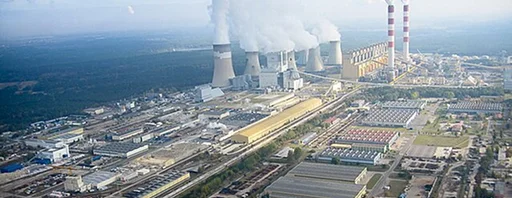 Power Plants
 Steam Piping
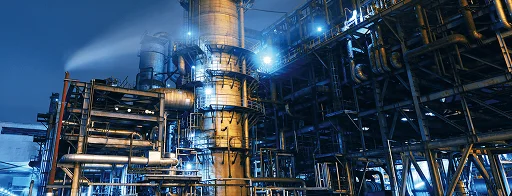 Refineries
Drop us a line
We respects customer privacy and ensures absolute confidentiality of any information that is given to us.