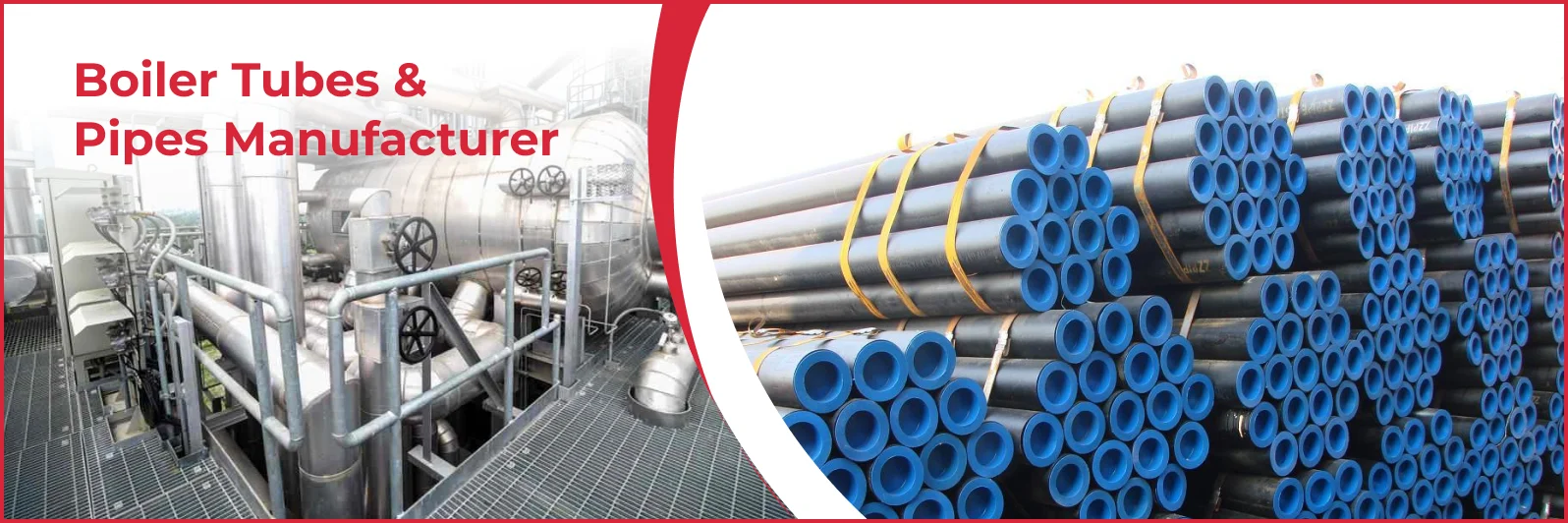
Boiler tubes and pipes are critical components used in steam boilers, heat exchangers, and pressure systems where high temperature and pressure resistance are essential. These tubes and pipes are designed to carry water, steam, and other fluids safely within boilers used in power plants, refineries, chemical processing units, and industrial heating systems.
Boiler Tubes & Pipes Supplier & Exporter
At USA Piping Solution, we supply boiler tubes and pipes to companies worldwide involved in power generation, large-scale construction, and refinery maintenance. Because boiler components operate under extreme pressure and heat, we don’t take shortcuts with quality. We source everything from vetted, approved mills and provide full documentation with every order so you know exactly what’s going into your system.
We keep our inventory focused on what industrial projects actually need. This includes seamless boiler tubes for high-pressure environments, heavy-duty pipes for pressure systems, and alloy steel tubes designed specifically to handle high temperatures without degrading. We also offer custom-cut lengths, so you aren't stuck paying for material you don't need or wasting time cutting on-site during a tight maintenance window.
As a specialized boiler tube suppliers, we stock a wide range of carbon and alloy steel grades that meet all major ASTM and ASME standards. These pipes are built for thermal efficiency and a long lifespan, even in tough conditions. Whether you’re a boiler manufacturer or a maintenance contractor, we provide straightforward, durable piping solutions that keep your operations running safely.
Looking to buy Alloy Steel Pipes & Tubes?
Check price of ASTM A335 P5 Pipes, ASTM A335 P1 Pipes & ASTM A335 P2 Pipes
Table of Contents
Types & Variations of Boiler Tubes & Pipes
- Boiler Tubes: Boiler tubes are typically small-diameter seamless tubes used in water walls, superheaters, economizers, and heat exchangers. They are designed for efficient heat transfer and resistance to thermal stress.
- Boiler Pipes: Boiler pipes are generally larger in diameter and are used to transport steam or fluids between different sections of the boiler system. These pipes must withstand internal pressure and temperature fluctuations without deformation.
Choosing the right type depends on operating conditions and budget.
- Seamless Tubes: Made from solid billet, no weld – maximum integrity.
- ERW (Welded) Tubes: Strip-formed and welded, economical for moderate duty.
- Carbon Steel Grades: (A179, A192, A210) for moderate temperatures.
- Alloy Steel Grades: (T11, T22, T91) for high-temp strength and corrosion resistance.
- Straight vs. U-Bend: U-bends for heat exchanger designs handling thermal expansion; see our U-Bend Heat Exchanger Tubes page for minimum wall and post-bend heat treatment specifications.
- USA Piping Solution supplies all variations
Boiler Tubes & Pipes Specifications
|
Specification |
Details |
|---|---|
|
Product Type |
Boiler Tubes & Boiler Pipes |
|
Manufacturing |
Seamless |
|
Standards |
ASTM A192, A210, A179, A335 |
|
Material |
Carbon Steel & Alloy Steel |
|
Outer Diameter |
12.7 mm to 114.3 mm |
|
Wall Thickness |
2.0 mm to 12.0 mm |
|
Length |
Up to 12 meters |
|
End Finish |
Plain, Beveled |
|
Certification |
EN 10204 3.1 |
ASTM Standards for Boiler Tubes & Pipes
- ASTM A192 – Seamless carbon steel boiler tubes for high-pressure service
- ASTM A210 Grade A1 / C – Medium-carbon steel boiler and superheater tubes
- ASTM A179 – Low-carbon steel tubes for heat exchangers
- ASTM A335 – Alloy steel boiler pipes for high-temperature service
- ASTM A178 – Electric Resistance Welded Carbon Steel Boiler Tubes
All boiler tubes and pipes supplied conform to ASME SA standards where required.
Request Your Boiler Tubes & Pipe Quote Today!Manufacturing Process of Boiler Tubes
- Selection of high-quality steel billets
- Hot piercing to form hollow tubes
- Seamless rolling and sizing
- Heat treatment for mechanical stability
- Straightening and cutting to length
- Non-destructive testing and inspection
This controlled process ensures uniform wall thickness, pressure resistance, and long-term performance.
Heat Treatment for Boiler Pipes
Heat treatment changes the physical properties of high-pressure boiler pipes by heating and cooling. This process improves toughness, hardness, and wear resistance. The main heat treatments are:
- Quenching : The pipe is heated to a high temperature and then quickly cooled in water or oil, making it harder.
- Tempering : After quenching, the pipe can become brittle. Tempering heats the pipe again to reduce brittleness, increasing toughness even though it lowers hardness slightly.
- Annealing : This process relieves internal stress in the pipe. The pipe is heated to a specific temperature, then slowly cooled in a controlled environment like dry ash or a furnace.
Applications of Boiler Tubes & Pipes
Boiler tubes are widely used in many industries. Here are some of their main applications:
- Power Generation: Boiler tubes are essential in power plants, where they generate steam to drive turbines. The performance and reliability of these tubes directly affect the efficiency of power generation.
- Industrial Manufacturing: In industries like chemicals, textiles, and paper production, boiler tubes generate steam for various processes, helping maintain a consistent heat supply and ensuring smooth production.
- HVAC Systems: Boiler tubes are used in heating, ventilation, and air conditioning (HVAC) systems to provide heat and hot water for both residential and commercial buildings.
- Marine Industry: In ships and offshore platforms, boiler tubes generate steam for propulsion and other onboard processes. Their resistance to corrosion makes them ideal for use in marine environments.
- Food Processing: Boiler tubes are used in food processing for sterilization, cooking, and drying. Stainless steel tubes are preferred due to their durability, hygiene, and resistance to corrosion.
- Petrochemical Industry: In refineries and chemical plants, boiler tubes are used to produce steam for processing and distillation. Alloy steel tubes are often used for their ability to handle high temperatures and pressures.
Quality Control & Testing of Boiler Pipes
Each batch of boiler tubes and pipes undergoes strict inspection, including:
- Chemical composition analysis
- Tensile and mechanical testing
- Hydrostatic or eddy current testing
- Dimensional inspection
- Visual and surface checks
Mill Test Certificates (EN 10204 3.1) are supplied with every order.
Why Choose USA Piping Solution for Boiler Tubes & Pipes?
- Reliable boiler tube suppliers with industry experience
- Material sourced from approved manufacturers
- Competitive pricing and consistent availability
- Export-ready packaging and documentation
- Timely delivery for shutdowns and projects
Related Products
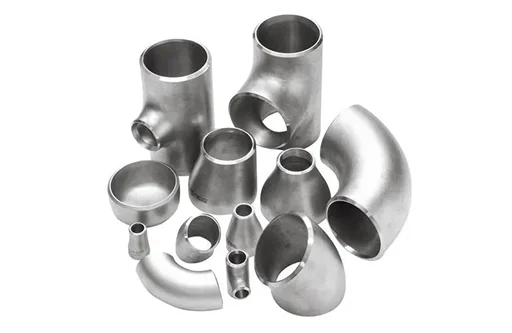
We also supply complementary components:
.webp)
.webp)
.jpg)
Looking for Reliable Boiler Tubes & Pipes?
Tell us your required grade, size, and quantity. Our team will provide a fast and accurate quotation for boiler tubes and boiler pipes tailored to your application.
Request Your Boiler Tubes & Pipe Quote Today!Frequently Asked Questions – Boiler Tubes & Pipes
Q1: What is the difference between boiler tubes and boiler pipes?
Boiler tubes are smaller in diameter and mainly used for heat transfer, while boiler pipes are larger and used for fluid or steam transportation.
Q2: Are boiler tubes seamless?
Yes, boiler tubes are typically seamless to ensure strength and pressure resistance.
Q3: Which ASTM standards are used for boiler tubes?
Common standards include ASTM A192, A210, A179, and A335.