One of the most used industrial chemicals is sulfuric acid, and one of the most aggressive in terms of material compatibility. The use of an inappropriate alloy may result in corrosion, wasteful time and severe safety hazards in processing conditions. That is why the use of 904L sulfuric acid is so popular in the engineering and procurement communities. UNS N08904 (904L stainless steel) is developed to be used in such rough environments, providing a special balance of durability and corrosion resistance. Although it is well known by many professionals that 904L is used in acid service, not many realize why it works so well. In this guide, we will deconstruct the chemistry behind 904L, its areas of strength and how 904L plates and 904L flanges will easily fit into the real-world environment.
What is 904L Stainless Steel?
Stainless steel 904L is a highly corrosive stainless steel that is designed to work in high-corrosive conditions, where other grades would fail. This alloy, denoted UNS N08904, is defined by its high content of nickel, chromium, molybdenum and copper which are combined to give it a very high resistance to aggressive acids and chemical attack. In contrast to the other traditional stainless steels, 904L is engineered to work efficiently under harsh conditions like stainless steel 904L sulfuric acid applications, where corrosion resistance is very vital. Copper addition is important in enhancing resistance to reducing acids, thus it is especially effective in sulfuric acid environments. This special composition is what makes 904L a popular choice in any industry that needs long life, safety and low maintenance in severe chemical processing systems.
Why is 904L Used for Sulfuric Acid Applications?
The excellent performance of stainless steel 904L in sulfuric acid applications is attributed to its capability to withstand reducing environments. The dilute form of sulfuric acid is very aggressive against the protective oxide layer of typical stainless steels such as 316L, and causes corrosion to develop rapidly. But 904L includes copper, and this enables the alloy to re-passivate even under reducing conditions and preserve its protective film. This is the most important fact why 904L has a high level of reliability in a great variety of acid concentrations. It exhibits high resistance at temperatures up to 35-40 °C, and at higher temperatures, its behavior becomes concentration-dependent, with acceptable levels of corrosion rates observed in most instances. Conversely, 316L starts to fail at acid concentrations higher than approximately 10 per cent, and 904L can withstand concentrations as high as approximately 40 per cent at ambient temperatures. In cases of exceptionally high concentration and high temperatures, more advanced alloys such as Hastelloy may be necessary.
904L Sulfuric Acid Corrosion Resistance Explained
Stainless steel 904L has excellent sulfuric acid resistance since it contains different alloys, such as nickel, chromium, molybdenum, and copper. The most important is copper that enhances performance in the inhibition of acids such as sulfuric acid to ensure that the material retains its protective passive coating where regular grades do not. Consequently, 904L is reliable at a large variety of concentrations of acids and temperature, and its resistance is much better than the traditional stainless steels, such as 316L. This has made it a favorite in critical applications where sulfuric acid is employed and durability, safety and long term corrosion resistance is required.
Difference between 904L vs 316L for Sulfuric Acid
|
Property |
904L Stainless Steel |
316L Stainless Steel |
|---|---|---|
|
Corrosion Resistance |
Excellent in sulfuric acid across wide concentrations |
Limited; prone to rapid corrosion in H2SO4 |
|
Nickel Content |
High (23–28%); improves resistance |
Moderate (10–14%) |
|
Copper Content |
1–2%; enhances resistance in reducing acids |
Not present |
|
Dilute Acid Performance |
Highly stable and resistant |
Acceptable only in very low concentrations |
|
Concentrated Acid Perf. |
Performs well under controlled conditions |
Not suitable |
|
Re-passivation Ability |
Strong, even in reducing environments |
Weak in reducing acids |
|
Acid Handling Capability |
Suitable for aggressive/mixed acid environments |
Not recommended for strong acids |
|
Typical Applications |
Chemical processing, acid tanks, heat exchangers |
General-purpose, mild environments |
|
Cost |
Higher initial cost |
Lower initial cost |
Fabrication of Stainless Steel 904L
Stainless Steel 904L is simple to make and can be worked with standard procedures. Nonetheless, it requires additional precautions due to the presence of alloys during operations.
Cold Forming
904L is extremely malleable and can be formed easily. Nevertheless, it becomes hardened fast in the process of forming, and thus more powerful equipment might be required as compared to other grades such as 304.
Hot Forming
Hot forming is done at temperatures between 850°C and 1150°C. Having heated it, the material must be cooled (quenched) very rapidly to preserve its properties. It might be necessary to further heat treat in certain instances.
Machining
Cutting stainless steel 904L is a bit challenging as it becomes hard when machining. Slower speeds, correct tools and cooling can be used to enhance the performance of machining.
Welding
Normal welding can be used to easily weld 904L. Similar compositions of filler materials are normally advised to ensure corrosion protection.
Industry Applications Where Stainless Steel 904L Is Used
Manufacturing Sulfuric Acid
Stainless steel 904L is applied in absorption towers, storage tanks and piping where there is variation in concentration and temperature of acid. Whereas 316L corrodes easily, 904L is both cost-effective and provides longevity in corrosion resistance and minimizes maintenance problems.
Flue Gas Desulfurisation (FGD) Systems
In power plants, 904L is used in towers, ducts and spray systems that are vulnerable to sulfuric acid-forming condensates. It guarantees a good performance under extremely corrosive environments.
Fertiliser & Phosphoric Acid Processing
904L is also suitable in wet-process plants that contain sulfuric acid and fluoride contamination. It is more durable than the normal stainless steels such as 316L.
Metallurgical Pickling Equipment
Applied in pickling tanks and piping systems where there is hot dilute sulfuric acid, 904L is a strong material that is resistant to corrosion at high temperatures.
Oil & Gas / Petrochemical Industry
The stainless steel 904L finds application in reactors, as well as heat exchangers that are subject to sulfide-rich and acidic streams, thus it is safe and has a long service life.
Pharmaceutical / Fine Chemical Processing.
Clean and corrosion-resistant systems in acid environments only 904L is preferred to help ensure product purity and compliance.
Conclusion:
Stainless Steel 904L is an excellent material to use in sulfuric acid applications because it has high levels of nickel, chromium, molybdenum, and copper, which guarantee high levels of corrosion resistance and service life. It has an advantage over traditional grades such as 316L in both aggressive and reducing environments and is thus a desirable material in the most important industries. With easy fabrication to extensive industrial use, 904L provides consistent performance and safety. To have quality products and reliable supply, USA Piping Solution is a reputable manufacturer and supplier of a wide collection of high-quality material to fulfill the challenging industrial needs.
Frequently Asked Questions
Why is 904L stainless steel used for sulfuric acid service?
904L is used for sulfuric acid service because of its high nickel and copper content, which provides excellent resistance in reducing acid environments where standard grades like 316L fail.
What concentration of sulfuric acid can 904L handle?
904L can handle a wide range of sulfuric acid concentrations, performing well from dilute to high concentrations, especially at ambient temperatures and controlled conditions.
What is the maximum operating temperature for 904L in sulfuric acid?
904L performs effectively up to around 35–40°C across most concentrations, and can operate up to ~70°C in certain conditions with acceptable corrosion rates.
Is 904L better than 316L for sulfuric acid?
Yes, 904L is significantly better than 316L for sulfuric acid due to its superior corrosion resistance, especially in reducing and higher concentration acid environments.
What does UNS N08904 mean and is it the same as 904L?
UNS N08904 is the official material designation for 904L stainless steel, meaning both refer to the same alloy.
What product forms is 904L stainless steel available in?
904L is available in various forms including plates, pipes, tubes, flanges, and fittings, making it suitable for a wide range of industrial applications.
Our Blog List
Application Industries
 Boilers
 Heat Exchangers
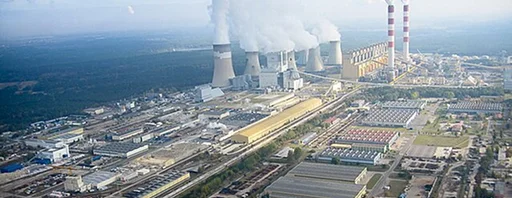 Power Plants
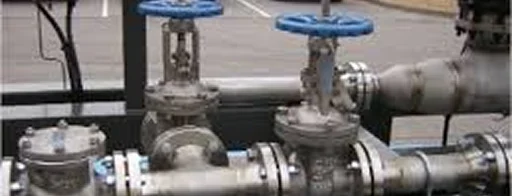 Steam Piping
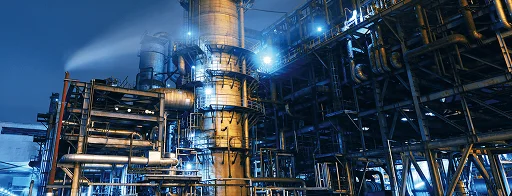 Refineries
Drop us a line
We respects customer privacy and ensures absolute confidentiality of any information that is given to us.