Inconel pipes are the specified choice when carbon steel and stainless steel reach their operational limits—in high-temperature lines, corrosive chemical environments, and systems under continuous thermal cycling where conventional materials have a documented history of failure. Their exclusive nickel-chromium alloy mixture makes them durable and reliable to perform their duties even in the most challenging circumstances. Inconel pipes are the suitable choice for high-temperature and corrosive applications because they are more frequently specified in cases where the typical materials are stretched to the limit of their operational capabilities in each successful application to guarantee a safe, profitable, and long-lasting operation, so they are used in oil and gas, as well as aerospace.
What Are Inconel Pipes & Tubes?
Inconel is a series of nickel-chromium superalloys commonly used in extreme temperature conditions. These pipes have a unique property that they resist in terms of temperature and adverse conditions, and nickel has a high temperature strength that carbon and stainless steel lose at 600 °C, and chromium forms a stable oxide layer that inhibits oxidation, chemical attack and thermal degradation. The Inconel pipes are constructed so as to be seamless or welded in nature and hence they are the type of pipes which are specified in oil and gas, aerospace sector and chemical processing, where other more traditional types of pipes are known to have failed.
What Makes Inconel Pipe Properties Exceptional
Exceptional High‑Temperature Strength
These Inconel pipes are specially made for high-temperature and retain mechanical strength above 1000°C. Carbon steel begins losing structural integrity above 400°C and standard stainless steel above 870°C. This property makes Inconel alloy pipes indispensable in industries requiring consistent performance under extreme heat, such as power generation, aerospace, and chemical processing.
Superior Corrosion & Oxidation Resistance
Inconel pipes are resistant to corrosion and this is due to the formation of stable oxide layer at high temperatures which inhibits scaling, erosion of surfaces and structural deterioration. They are also resistant to aggressive chemicals, sea water, and acidic environments and are thus suitable in offshore, chemical and marine applications.
Creep & Thermal Fatigue Resistance
Inconel pipes have low creep at service temperature. Inconel 625 has creep rupture strength exceeding values that are set by ASME Section II Part D regarding high-temperature pressure vessels.
High Mechanical Strength and Durability
The Inconel seamless pipes and Inconel welded pipes have tensile and yield strengths in the presence of high stress levels and are very durable to high-pressure levels. Their high mechanical characteristics provide them with long service life, less maintenance and dependable operation in difficult industrial conditions.
Inconel Pipe Grades: Choosing the Right Alloy
All grades of Inconel are optimized to a specific temperature, pressure, and chemical environment. Choosing the wrong specification grade causes a big damage to the application or structure. The following breakdown is used to break down each grade into its principal use case.
Inconel 600
Inconel 600 pipes balance the heat resistance and high oxidation resistance to make these pipes applicable in the moderate to high temperature useful in chemical processing and power generation industries.
Inconel 625
Inconel 625 pipes have better resistance to corrosion as well as chloride and are suitable to be used in marine, offshore, and sour environments. They are strong and durable and hence suited in harsh conditions such as chemical and seawater.
Inconel 718 & 825
Inconel 718 comes with the feature of high tensile strength and corrosion resistance, which makes it suitable for aerospace and gas turbine applications. Inconel 825 is commonly used in the oil and gas industries because it is made with molybdenum and copper material, which makes it more resistant than 718.
Seamless vs Welded Inconel Pipes
Inconel Seamless Pipes
The seamless pipes are made of Inconel, which contains no welds and thus, seamless ones are stronger by nature and contain fewer weak points. They are constructed with great strength, which makes them suited to extreme conditions of service, and aggressive industrial applications and have a consistent performance when durability is essential.
Inconel Welded Pipes
Inconel welded pipes are also economical in a situation where the stress is moderate. Their fabrication is less complicated and can be designed to bigger diameters, which gives flexibility in their design without affecting the corrosion and heat resistance properties of Inconel pipes.
Comparison Table: Seamless vs Welded Inconel Pipes
Feature |
Inconel Seamless Pipes |
Inconel Welded Pipes |
|---|---|---|
Manufacturing |
Extruded from a solid billet; no longitudinal seam |
Formed from strip/plate and joined via welding |
Durability |
Very high; fewer weak points due to lack of weld |
Moderate; structural integrity depends on weld quality |
Pressure Rating |
Excellent; ideal for high-pressure lines |
Suitable for moderate pressure applications |
Cost |
Higher due to complex manufacturing methods |
Lower and more economical for large projects |
Fabrication & Sizes |
Limited size availability; more complex to fabricate |
Flexible sizes; generally easier to fabricate |
Why Inconel Pipes Outperform Other Materials
In many terms, Inconel pipes outperform the conventional material that makes it superior to stainless steel and carbon steel in high-temperature and corrosive environments. Unlike carbon steel, which weakens under high stress or extreme heat conditions and stainless steel also fails in high chemical or chloride-rich conditions, Inconel maintains its strength, corrosion resistance and structural integrity. In practice the Inconel piping system in the refinery industry needs maintenance after 20–30 years compared to 5–10 years of standard stainless steel in the same condition. Its price is higher than that of stainless steel. Many industries like oil & gas, power generation, aerospace, and chemical processing that need high strength and corrosion-resistant material choose Inconel Pipes as a reliable option over other materials, making it a good and cost-effective option over time.
Application and Industrial Use of Inconel Pipes
Power Generation & Thermal Plants
Inconel pipes are commonly used in boilers, heat exchangers and steam lines in various power generation plants and thermal plants where thermal stability is essential and oxidation resistance is of paramount importance. Inconel grades such as Inconel 600, Inconel 625 guarantee the reliability in maintaining the high-heat continuous operation.
Oil & Gas Exploration
Nickel alloy pipes are commonly used in the downhole tubing in the gas and oil industry, and also in subsea piping because they are resistant to H2S, CO2, and Chloride, and can easily handle the pressure to 10000 psi, which can’t be done using standard stainless alloys.
Aerospace and Defense
In many industries, Inconel alloy is used in different components and turbine sections, where high resistance and strength are required. Inconel 718 can easily handle thermal cycling and stress corrosion in aerospace applications.
Chemical & Petrochemical
Inconel corrosion-resistant pipes are used to have safe and lasting operations in terms of the transfer of acid, alkali and reactive fluids. Applications of Inconel 600 and 625 are normally used in chemical plants because of its high levels of resistance to oxidizing and reducing conditions.
Marine & Offshore
Inconel pipes with greater temperature are very suitable in marine and offshore applications since they exhibit better corrosion resistance in chloride and seawater. The use of Inconel 625 in offshore platforms mostly in pipelines, valves, and heat exchangers is common.
Performance & Cost Considerations of Inconel Pipes
Although Inconel pipes are highly expensive when compared to carbon steel or regular stainless steel, the long-term value of the pipe is well worth more than its initial price. These Inconel pipes are of high temperature and have high durability, corrosion resistance and thermal stability, hence they have high service life and reduced maintenance demand is significantly high. Fewer replacements and reduced downtime lead to significant savings in the operation, particularly in sensitive sectors such as oil and gas, power, aerospace, and chemical processing. Investing in Inconel also provides assurance regarding the performance even in harsh environments that will safeguard the infrastructure and safety and is therefore a cost-effective option despite the increased initial cost.
Conclusion
Inconel pipes solve the specific problems related to structural integrity and corrosion resistance at high temperature and pressure, where standard carbon and stainless steel can’t stand. The right grade of Inconel alloy depends on the requirements and environment. Like Inconel 625 is used in marine and sour services, Inconel 718 is used for aerospace applications, and Inconel 825 is used in highly acidic environments. If you need help in figuring out the best Inconel alloy for your new project, then our technical team can help you to choose the right grade, schedule, and MTR requirements according to your project requirements. To get the premium nickel alloy pipes with expert guidance, explore our full range at USA Pipings Solution.
Frequently Asked Questions (FAQ)
What makes Inconel pipes better than stainless steel or carbon steel in high-temperature environments?
Inconel pipes retain strength and resist deformation at very high temperatures, unlike carbon steel or stainless steel, which can weaken or fail.
How do Inconel pipes perform at extremely high temperatures?
They maintain mechanical strength, resist creep, and withstand thermal cycling even above 1000 °C.
Why are Inconel pipes recommended for corrosive environments?
Their nickel-chromium alloy composition makes them highly resistant to acids, chemicals, and oxidation.
Can Inconel pipes withstand seawater and marine corrosion?
Yes, Inconel pipes resist chloride attack and seawater corrosion, making them ideal for marine applications.
How does Inconel form a protective oxide layer at high temperatures?
Chromium in Inconel reacts with oxygen to form a stable oxide layer that shields the metal from scaling and corrosion.
Our Blog List
Application Industries
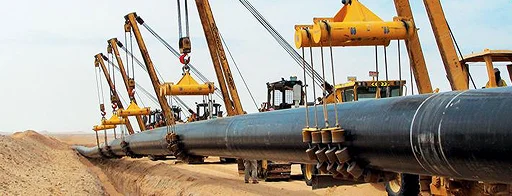 Boilers
 Heat Exchangers
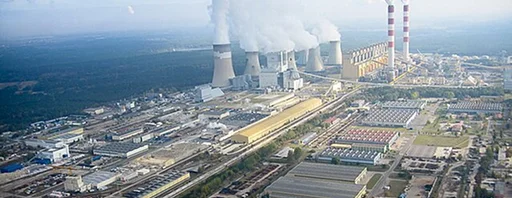 Power Plants
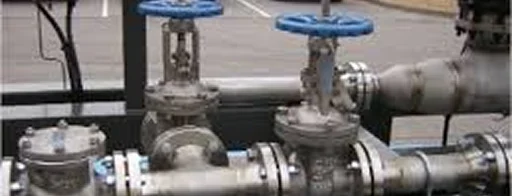 Steam Piping
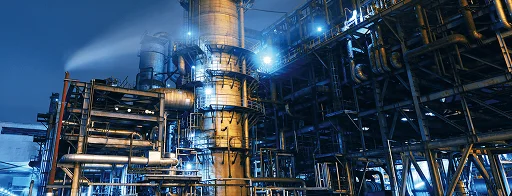 Refineries
Drop us a line
We respects customer privacy and ensures absolute confidentiality of any information that is given to us.