
Inconel 601 (UNS N06601) Round Bars are alloy bars that have been produced with high temperatures oxidation and carburization resistance properties in mind. These alloy bars are produced according to ASTM B166/ASME SB166 standards and are classified as UNS N06601 (Werkstoff 2.4851) - Nickel, Chromium, and 1.0-1.7% Aluminum Titanium stabilized alloys that possess better oxidation resistance than Inconel 600. Inconel 601 is available in round, hex, square and flat bar and provides good mechanical properties and performance in challenging furnace, petrochemical and heat treatment environments. USA Piping Solution is a reliable manufacturer and supplier of Inconel 601 (UNS N06601) Round Bar, offering the highest quality and competitive prices, with worldwide delivery.
Specifications of Inconel 601 (UNS N06601) Round Bar
| Specification | Details |
|---|---|
| Standards & Designations | ASTM B166 / ASME SB166, UNS: N06601, WNR: 2.4851 |
| Available Bar Shapes | Round, Flat, Square, Hex, Rectangle |
| Round Bar Sizes | Diameter: 3 – 600 mm, Length: 6 meters / Custom |
| Flat Bar Sizes | Width: 1.5 – 250 mm, Thickness: 0.5 – 200 mm, Length: 6 meters |
| Square Bar Sizes | Side Width: 2 – 200 mm, Length: 6 meters |
| Hex Bar Sizes | Inscribed Diameter: 3 – 180 mm, Length: 6 meters |
| Rectangular Bar Sizes | Rectangular forms supplied in standard lengths up to 6 meters |
| Supply State / Condition | H and T (Hardened & Tempered), PH (Precipitation Hardened), ANN (Annealed) |
| Technique | Forged, Rolled |
| Cold Drawn Tolerances | H8 – H13, K9 – K12 |
| Finish | Pickled, Bright, Polished, Black |
| Surface Finish | Polished, Hairline, Hot Rolled Pickled |
| Services Offered | Heat Treatment, Shearing, Cutting |
| Physical Properties | • Density: 8.1 g/cm³ • Melting Point: 1411°C (2571°F) • Temperature Range: 1600°F – 2250°F (870°C – 1230°C) |
| Key Features | Maximum Length, High Strength, Superior Oxidation Resistance |
| Testing Conducted | Step-Down Tests, Upset Testing, Microstructure Analysis, PMI (Positive Material Identification) |
| Documentation Provided | Guarantee Letter, Fumigation Certificates, Mill Test Certificate (MTC), NABL Approved Laboratory Test Reports, Third-Party Inspection |
| Packaging Options | Bundled, Wooden Box, Bubble Wraps |
| Material Origin | Japanese, American, European |
Types of Inconel 601 (UNS N06601) Round Bar
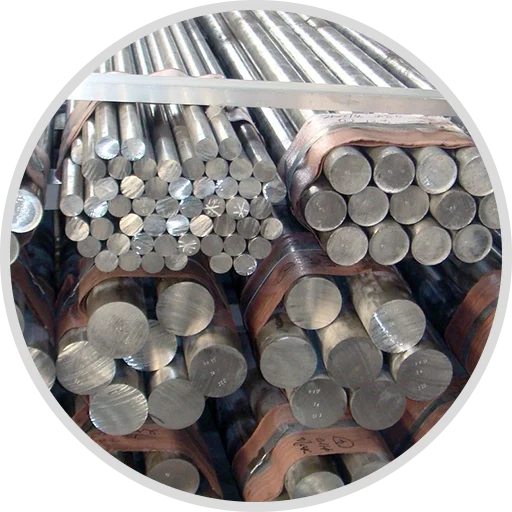
ASME SB166 N06601 Cold Drawn Bar
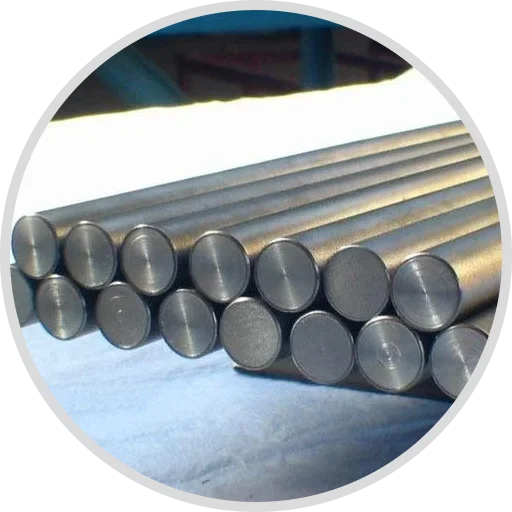
ASME SB166 UNS N06601 Hot Rolled Bar
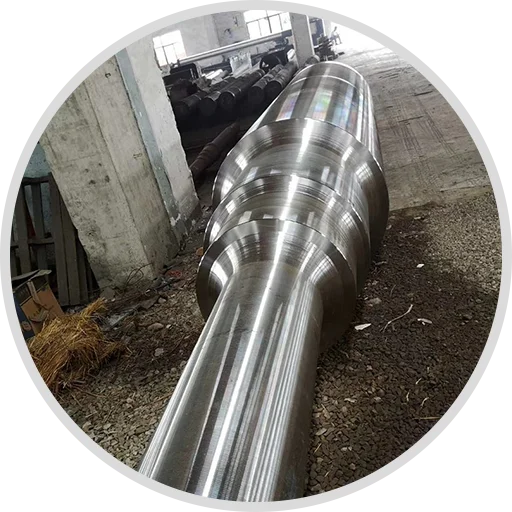
ASTM B166 N06601 Shaft
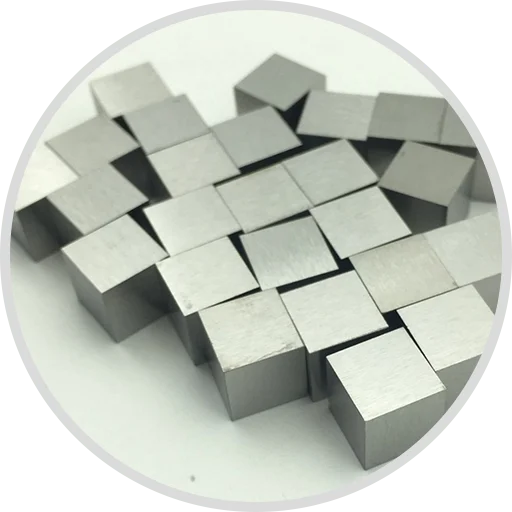
ASTM B166 UNS N06601 Billet
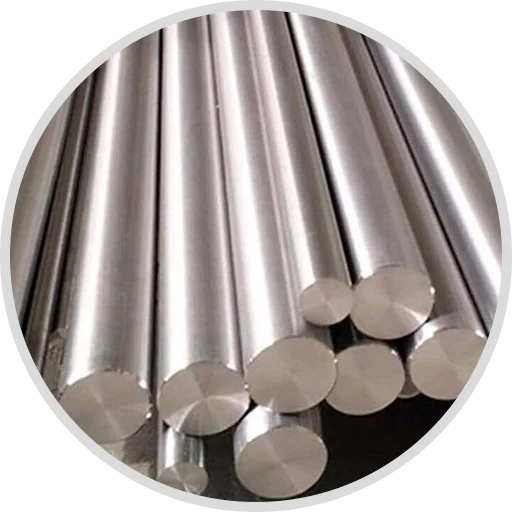
ASTM B166 UNS N06601 Bright Bar
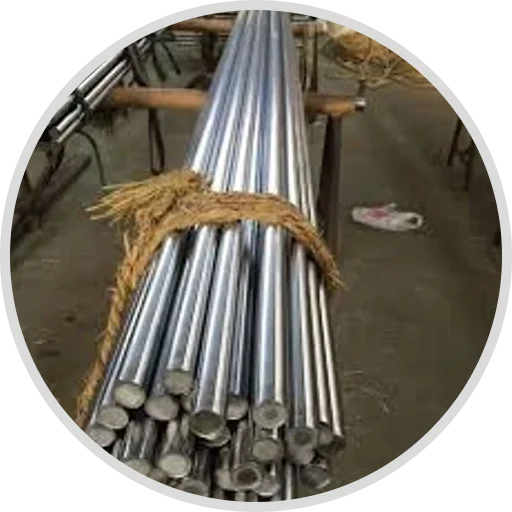
B166 N06601 Rod
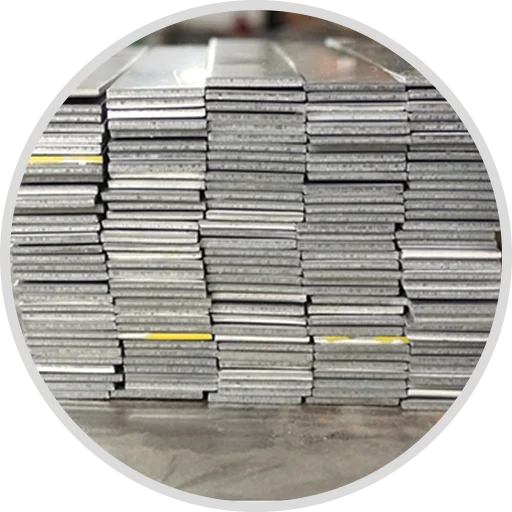
B166 UNS N06601 Rectangular Bar
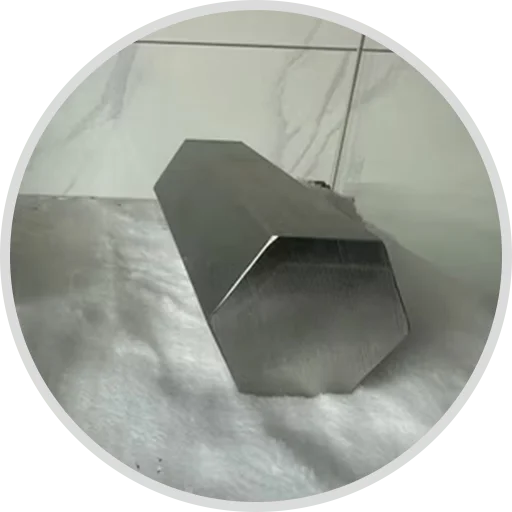
SB166 N06601 Hex Bar
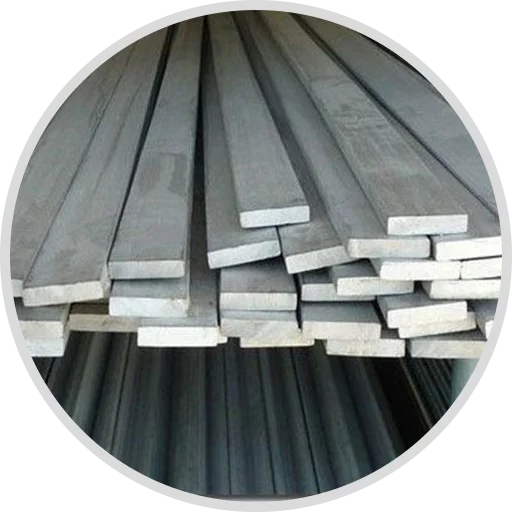
SB166 UNS N06601 Flat Bar
Applications Usage of Inconel 601 (UNS N06601) Round Bar
- Industrial Heat Treatment Furnace Equipment
- Petrochemical Ethylene Cracking Furnaces
- Radiant Tubes & Furnace Roll Manufacturing
- Thermal Processing & Industrial Kiln Systems
- Power Generation Gas Turbine Components
- Chemical Processing Plant Heat Exchangers
- Waste Incineration & Thermal Oxidizer Systems
- Steel Manufacturing Furnace Fixtures & Trays
Frequently Asked Questions
1. What is Inconel 601 (UNS N06601) Round Bar used for?
Inconel 601 Round Bar is used to manufacture furnace components, radiant tubes, heat exchangers, gas turbine parts, and petrochemical processing equipment that operate at high temperatures.
2. What is the maximum operating temperature of Inconel 601 Round Bar?
Inconel 601 can withstand continuous service temperatures up to approximately 1200°C (2192°F) while maintaining excellent oxidation resistance and mechanical stability.
3. Is Inconel 601 resistant to oxidation and carburization?
Yes. Inconel 601 offers outstanding resistance to oxidation, carburization, and high-temperature scaling due to its aluminum-rich protective oxide layer.
4. Can Inconel 601 Round Bar be welded?
Yes. Inconel 601 Round Bar has excellent weldability and can be welded using conventional nickel alloy welding processes without significant loss of its corrosion or heat resistance.
5. Is Inconel 601 easy to machine?
Inconel 601 is more difficult to machine than stainless steel because of its high strength and work-hardening characteristics, but it can be machined successfully using proper tooling and machining techniques.