
Titanium pipes and tubes carry fluids and transfer heat in corrosive industrial service. Low weight, high strength and a stable oxide film let them work reliably in seawater and chemical plants. The manufacture of titanium pipes can be done in two ways: seamless, as per ASTM B861, and welded, as per ASTM B862, and is specified in terms of NPS and schedule. Titanium tubes are produced according to ASTM B338 and ordered as per outside diameter and wall thickness for heat exchanger and instrumentation purposes. USA Piping Solution supplies titanium pipes and tubes in commercially pure and alloy grades, with heat traceability and EN 10204 3.1 mill test certificates, to buyers throughout the United States. See Titanium Grade 2 Tubes, Titanium Grade 1 Tubes and Titanium Grade 7 Tubes.
Specifications of Titanium Pipes and Tubes
| Specification Attribute | Supply Scope & Standard Details |
|---|---|
| Product Forms | Seamless and welded round pipes, straight tubes, coiled tubing and U bend heat exchanger tubes |
| Manufacturing Processes | Cold drawn seamless; autogenous welded by GTAW or plasma arc, then annealed |
| Governing Standards | ASTM B338 / ASME SB338 (Tubing); ASTM B861 / ASME SB861 (Seamless Pipe); ASTM B862 / ASME SB862 (Welded Pipe) |
| Commercially Pure Grades | Grade 1 (UNS R50250), Grade 2 (UNS R50400), Grade 3 (UNS R50550) |
| Palladium & Nickel Molybdenum Grades | Grade 7 (UNS R52400), Grade 12 (UNS R53400), Grade 16 (UNS R52402) |
| Alpha Beta Alloy Grades | Grade 5 (UNS R56400) and Grade 9 (UNS R56320) (subject to mill confirmation at quotation) |
| Size & Wall Schedule | Outside diameter, wall thickness, NPS and cut lengths confirmed against your drawing at quotation |
| Certification & Traceability | EN 10204 Type 3.1 Mill Test Report (MTR) with full melt and heat number traceability |
Types of Titanium Grade 2 Tubes
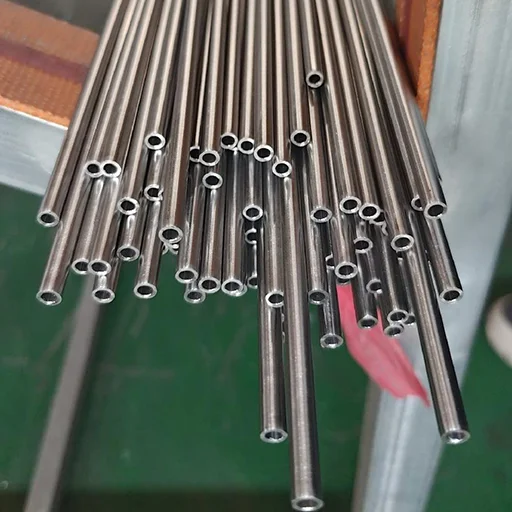
ASTM B338 UNS R50400 Capillary Tube
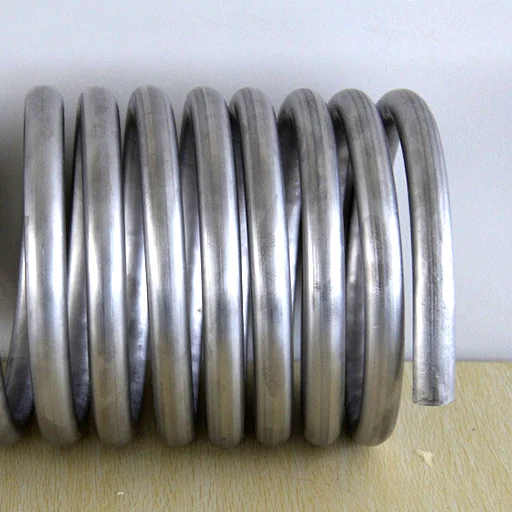
Commercially Pure Ti Grade Coil Tubing
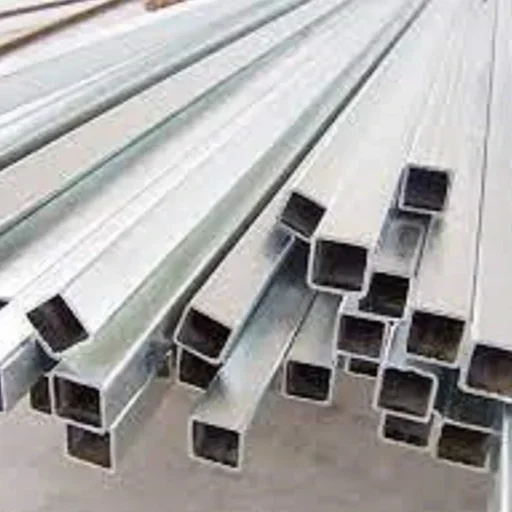
CP 2 Ti Square Tube
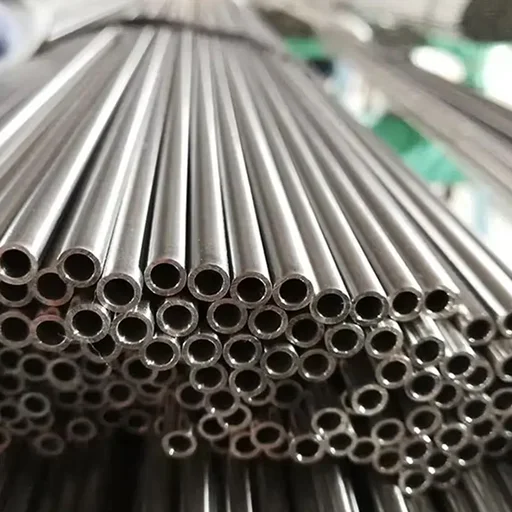
CP Gr 2 Titanium Seamless Tube
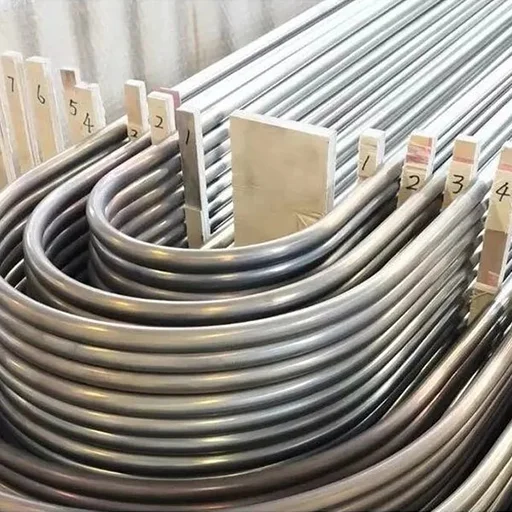
Ti Grade 2 Boiler Tube
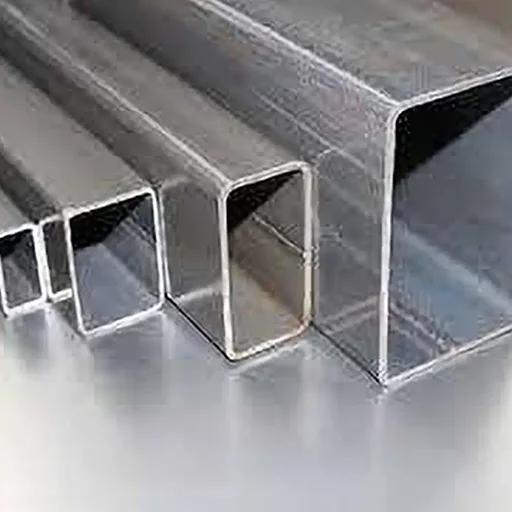
Ti Metal Gr 2 Rectangular Tube
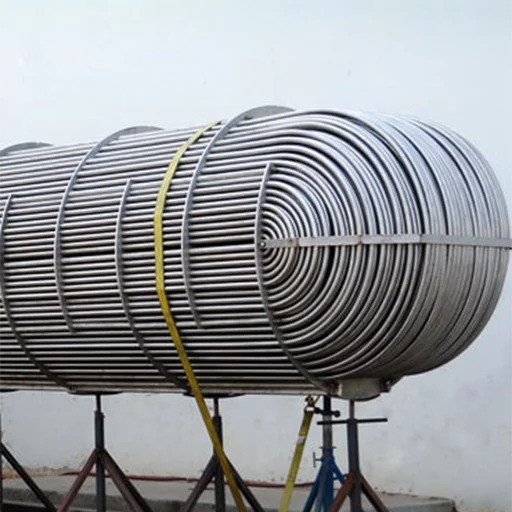
Titanium Alloy Gr 2 Heat Exchanger Tube
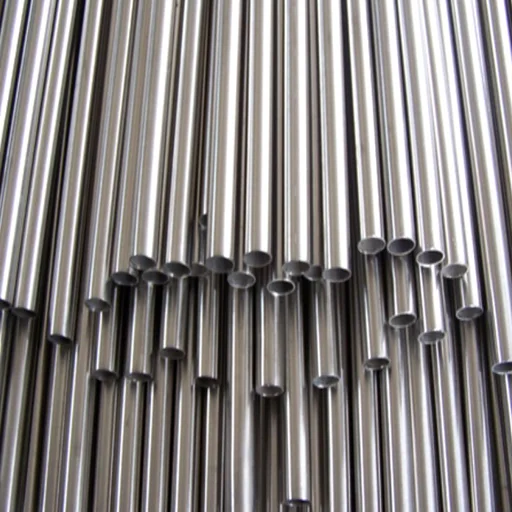
Titanium Alloy Gr 2 Welded Tube
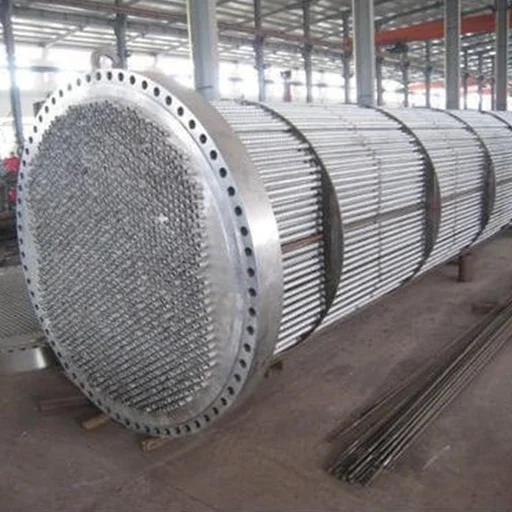
WNR 3.7035 Condenser Tubes
Applications and Industrial Uses of Titanium Pipes and Tubes
- Chemical Processing
- Desalination Plants
- Marine Engineering
- Oil and Gas
- Power Generation
- Aerospace
- Chlor Alkali Processing
- Pollution Control
Frequently Asked Questions
1. What are titanium pipes and tubes?
Titanium pipes and tubes are hollow products made from commercially pure titanium (Grades 1, 2 and 3), palladium and nickel-molybdenum modified grades (7, 12 and 16), or alloys (Grades 5 and 9). They combine high strength for their weight with resistance to seawater, chlorides and chemical environments.
2. What is the difference between titanium pipe and titanium tube?
Titanium pipe is specified by NPS and schedule thickness under ASTM B861 (seamless) and ASTM B862 (welded). Titanium tube follows ASTM B338 and is specified by exact outside diameter and wall thickness for heat exchangers, condensers and instrumentation.
3. Which titanium grade should I choose for my application?
Choose Grade 2 for general corrosion resistance, Grade 1 for better formability and Grade 3 for higher strength. For reducing acids and severe chloride service, consider Grade 7 or Grade 16 (palladium) or Grade 12 (nickel-molybdenum).
4. Is Grade 2 or Grade 5 titanium better?
Both serve different purposes. Grade 2 offers good weldability, formability and corrosion resistance for piping and heat exchangers. Grade 5 (Ti-6Al-4V) provides much higher strength for demanding mechanical, downhole and aerospace applications.
5. Are titanium tubes stronger than steel?
Weight for weight, yes. Grade 2 has a minimum yield strength of 40 ksi (275 MPa), above the 25 ksi (170 MPa) minimum of 304L and 316L stainless steel. Titanium is about 43% lighter than steel. Grade 5 reaches 120 ksi (828 MPa).
6. What is the difference between seamless and welded titanium tube?
Seamless tube is drawn without a weld seam and is selected for high-pressure and critical heat exchanger applications. Welded tube is formed from strip, welded and annealed. It generally offers lower cost and tighter wall thickness control for many applications.
7. Is titanium good in seawater?
Yes. Titanium forms a stable oxide film that resists seawater, chlorides and oxidizing acids. It is widely used in condensers and desalination plants. For hot reducing acids, consider palladium-modified Grade 7 or 16, or Grade 12.
8. Can titanium pipes and tubes be welded?
Yes. Titanium can be welded using TIG welding with proper argon shielding on both the weld face and root side. This prevents oxygen and nitrogen contamination and helps preserve the weld's corrosion resistance.